LatentSync vs Krea: AI Lip Sync Comparison (2026)
How does LatentSync compare to Krea for AI lip sync? LatentSync focuses on open source diffusion lip sync, Krea on real-time ai creative tools. We compare pricing, accuracy, language support, and more.
Bottom line: LatentSync is best for open source diffusion lip sync, while Krea excels at real-time ai creative tools. Both offer free tiers.
Head-to-Head Comparison
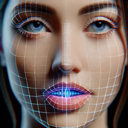
LatentSync

Krea
Free Tier
Yes
Yes
API Access
Yes
Yes
Languages
Any
10+
Best For
Open source diffusion lip sync
Real-time AI creative tools
Starting Price
Free
$0/mo
| Feature | LatentSync | Krea |
|---|---|---|
| Free Tier | Yes | Yes |
| API Access | Yes | Yes |
| Languages | Any | 10+ |
| Best For | Open source diffusion lip sync | Real-time AI creative tools |
| Starting Price | Free | $0/mo |
| Rating | ★★★★★ | ★★★★★ |
About LatentSync
LatentSync is ByteDance's open-source contribution to lip sync technology, introducing a novel approach that applies latent diffusion models to the lip synchronization problem. Unlike traditional GAN-based methods like Wav2Lip, LatentSync operates in a compressed latent space, which allows it to generate more detailed and natural-looking mouth movements with better preservation of facial identity and texture. The model is available on GitHub and can be run locally on consumer GPUs, making it accessible to researchers, developers, and studios who need high-quality lip sync without cloud service costs.
Because it is language-agnostic, LatentSync works with any audio input regardless of language. The main barrier to adoption is the technical setup required: users need familiarity with Python, PyTorch, and GPU configuration. For teams that want the quality benefits of diffusion-based lip sync without managing infrastructure, Sync (sync.so) offers a production-ready cloud platform with API access built on similar cutting-edge research.
LatentSync Pros & Cons
Pros
- ✓ Higher visual quality than older GAN-based open-source models
- ✓ Completely free with no usage limits or API keys
- ✓ Full data privacy with local processing
- ✓ No language restrictions whatsoever
Cons
- ✗ Requires significant technical expertise to set up
- ✗ Needs a capable GPU for reasonable processing speeds
- ✗ No managed service or support beyond community forums
About Krea
Krea has built its reputation on real-time AI generation, allowing users to see images and videos materialize as they type prompts or adjust parameters. The platform's creative suite includes image generation, image enhancement, video generation, and lip sync, all designed around the concept of instant feedback and iterative creation. Krea's lip sync feature lets users sync audio to video with AI-assisted mouth movement adjustment, and its real-time processing approach means users can preview results quickly before committing to a final render. The platform also offers an API for developers who want to integrate Krea's generation capabilities into their own applications.
While Krea's breadth of creative tools is impressive, lip sync is one component of a larger generative AI platform rather than its central focus. The sync quality is adequate for creative projects and social content, but professional dubbing workflows that demand frame-accurate lip alignment will benefit from the precision of dedicated tools like Sync. Krea is best suited for creative professionals who value speed, experimentation, and having multiple AI tools in a single environment.
Krea Pros & Cons
Pros
- ✓ Real-time generation provides instant feedback during creation
- ✓ API available for developer integration
- ✓ Broad creative toolkit beyond just lip sync
- ✓ Free tier allows meaningful experimentation
Cons
- ✗ Lip sync is not the platform's primary strength
- ✗ Limited language support compared to dubbing-focused tools
- ✗ Real-time preview quality may differ from final renders
How to Choose
Choosing between LatentSync and Krea depends on your specific needs and workflow.
LatentSync
All languages
Free tier available · API access
Krea
10+ languages
Free tier available · API access
Choose LatentSync if: You need a tool that excels at open source diffusion lip sync. LatentSync supports any language and offers a free tier to get started.
Choose Krea if: You need a tool that excels at real-time ai creative tools. Krea supports 10+ languages and offers a free tier to get started.
Both tools have their strengths. Consider starting with a free trial or free tier (where available) to test each tool with your specific content before committing to a paid plan.
Pricing Breakdown
Understanding the pricing structure of each tool helps you evaluate which fits your budget and usage level.
Both LatentSync and Krea offer free tiers, so you can test each before committing.
LatentSync Plans
- Open Source Free
- Self-Hosted Infrastructure costs only
Krea Plans
- Free $0/mo
- Pro $24/mo
LatentSync starts at Free with 2 pricing tiers, while Krea starts at $0/mo with 2 tiers.
Both offer a similar number of pricing tiers.
Use Cases Compared
LatentSync is categorized as a lip-sync, open-source tool, best suited for open source diffusion lip sync. Krea falls into lip-sync, video-editing, optimized for real-time ai creative tools.
Both share the lip-sync category, but their approach and target users differ.
LatentSync
Open source diffusion lip sync
- ✓ Latent diffusion-based lip sync for high visual quality
- ✓ Open source under permissive license
- ✓ Language-agnostic processing for any audio input
Krea
Real-time AI creative tools
- ✓ Real-time AI generation with instant visual feedback
- ✓ Lip sync with audio-to-video mouth adjustment
- ✓ AI image generation and enhancement tools
Krea's standout feature is real-time AI generation, letting creators see lip sync and video results materialize instantly as they adjust prompts and parameters. This iterative feedback loop is unique among lip sync tools and dramatically speeds up the creative process for experimental work. Krea also provides a developer API, making it one of the few creative-focused platforms that supports programmatic integration. The platform bundles image generation, enhancement, and video tools alongside lip sync, making it a strong choice for creators who want a single AI creative environment rather than specialized point solutions.
Language & Platform Support
Language coverage is a key differentiator for lip sync tools, especially for teams producing multilingual content.
LatentSync supports any language (language-agnostic), while Krea supports 10+ languages. LatentSync has broader language coverage, which matters for global content strategies.
LatentSync
Any language
API access available
5 features
Krea
10+ languages
API access available
5 features
Both LatentSync and Krea provide API access, making them suitable for integration into automated content pipelines.
Detailed Verdict: LatentSync vs Krea
LatentSync is a lip-sync tool that focuses on open source diffusion lip sync. Key strengths include higher visual quality than older gan-based open-source models and completely free with no usage limits or api keys. However, requires significant technical expertise to set up.
LatentSync supports any language and provides API access for developers building automated workflows. Starting at Free, it is positioned for users at all levels, from free exploration to professional production.
Krea takes a different approach as a lip-sync tool optimized for real-time ai creative tools. Its advantages include real-time generation provides instant feedback during creation and api available for developer integration. On the downside, lip sync is not the platform's primary strength.
With support for 10+ languages, Krea also offers API access and starts at $0/mo.
For users focused on lip sync accuracy, the decision often comes down to workflow fit. LatentSync tends to shine when you need open source diffusion lip sync, while Krea is the stronger pick for real-time ai creative tools.
Both tools offer free tiers, making it easy to compare them side by side before committing.
Key Comparison Points
- › Lip sync accuracy
- › Language support
- › Pricing
- › Free tier availability
- › API access
- › Processing speed
- › Video quality
- › Ease of use
Looking for Dedicated Lip Sync?
If your main goal is accurate lip synchronization on real video footage, Sync is purpose-built for that. It works with any language, offers a free tier, and has an API for automated workflows.
Learn More
Related Guides
Other Comparisons
 Sync vs LatentSync › Sync vs Krea ›
  HeyGen vs LatentSync › HeyGen vs Krea ›
  Kling AI vs LatentSync › Kling AI vs Krea ›
  Synthesia vs LatentSync › Synthesia vs Krea ›
  Hedra vs LatentSync › Hedra vs Krea ›
  Runway vs LatentSync › Runway vs Krea ›
  VEED vs LatentSync › VEED vs Krea › Wav2Lip vs LatentSync › Wav2Lip vs Krea ›
  D-ID vs LatentSync › D-ID vs Krea ›
  Rask AI vs LatentSync › Rask AI vs Krea ›
  ElevenLabs vs LatentSync › ElevenLabs vs Krea ›
  Descript vs LatentSync › Descript vs Krea ›
  Vozo vs LatentSync › Vozo vs Krea ›
  LipSync.video vs LatentSync › LipSync.video vs Krea ›
  Magic Hour vs LatentSync › Magic Hour vs Krea › LatentSync vs LipDub
  › LatentSync vs Dzine
  › LipDub vs Krea › Dzine vs Krea ›
 Try Sync for AI Lip Sync
Get studio-quality lip sync for your videos with Sync. Start with the free tier today.